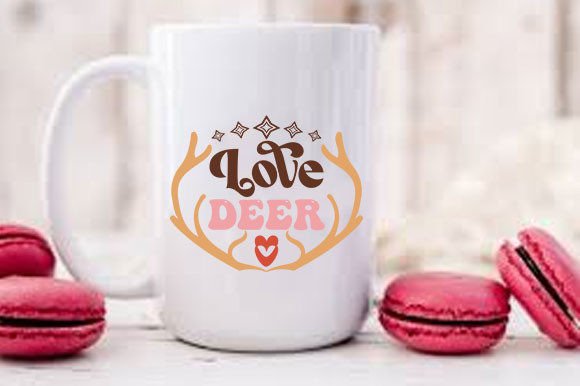
Retro Valentine T-shirt Design, Love Dee: A Designer's Guide
Capturing the warmth of nostalgia with a modern twist, a well-crafted Retro Valentine T-shirt Design, Love Dee offers a unique blend of vintage charm and contemporary appeal that can elevate any creative project. This versatile design asset, delivered as a ZIP file containing EPS, SVG, PNG, and DXF files, provides the essential flexibility needed for both digital and print applications. For graphic designers, marketers, and business owners, understanding how to leverage such a resource is key to creating effective visual communication that resonates with audiences and strengthens brand identity.
Understanding the Asset: What's Inside the ZIP?
The true value of this creative asset lies in its file format diversity. Each format serves a distinct purpose in a professional design workflow, ensuring compatibility and scalability across various mediums. This makes the Retro Valentine T-shirt Design, Love Dee a practical tool for a wide range of projects.
- EPS (Encapsulated PostScript): The industry standard for vector graphics. This file is perfect for high-resolution print design, such as merchandise, packaging, and large-format advertising. It allows for infinite scaling without loss of quality, which is critical for professional branding and logo design.
- SVG (Scalable Vector Graphics): Ideal for web design, UI design, and digital applications. SVGs maintain crispness on any screen size and are lightweight, improving website performance. They are also easily editable with code, offering advanced control for digital projects.
- PNG (Portable Network Graphics): A raster image with a transparent background, making it ready to use in social media graphics, presentations, or as a layered element in a larger composition. It's the go-to for quick digital integration where vector editing isn't required.
- DXF (Drawing Exchange Format): Primarily used for CAD software, this format is invaluable for creators involved in laser cutting, vinyl crafting, or other fabrication processes, extending the design's use into physical product creation and custom merchandise.
Practical Applications in Modern Design
Incorporating a retro-inspired design into your projects can significantly impact visual hierarchy and audience engagement. Its distinct aesthetic can make a brand feel more approachable, authentic, and memorable.
Strengthening Brand Identity and Marketing
A retro valentine motif can be a powerful element in branding, especially for businesses targeting a niche audience that appreciates vintage aesthetics or artisanal quality. It can inform a cohesive color palette, typography choices, and overall visual style. Use it in marketing materials like flyers, posters, and digital ads to create a consistent and eye-catching brand narrative that stands out in a crowded digital marketing landscape.
Enhancing Digital and Print Projects
For digital applications, the design can enhance social media content, blog graphics, or website hero images, creating a strong emotional connection with viewers. In editorial design, it can serve as a compelling illustration or section divider. For print, it’s perfect for creating unique merchandise, from t-shirts and tote bags to stickers and greeting cards. The included file formats ensure the design looks flawless whether printed on a small label or a large banner, respecting principles of readability and visual impact.
Tips for Effective Implementation
To maximize the impact of any design asset, thoughtful integration into your existing creative projects is essential. Consider these factors to ensure a polished and professional result:
- Evaluate Consistency: Before use, assess if the design’s style, color saturation, and level of detail align with your project's existing visual language. A cohesive look strengthens brand identity and user experience.
- Consider the Context: The "retro" style should complement your message, not clash with it. Ensure the nostalgic feel supports the communication goal, whether it's for a Valentine's Day campaign, a boutique brand, or a creative portfolio.
- Prioritize Scalability: Always start with the vector files (EPS or SVG) for projects that may require resizing. This maintains design integrity across all applications, from a small favicon to a printed poster.
- Mind the Hierarchy: When incorporating the design into a layout, ensure it supports the overall visual hierarchy. It should guide the viewer's eye, not overwhelm the primary message or call to action.
Ultimately, selecting the right creative assets is a fundamental part of a designer's workflow. A thoughtfully designed resource like this one does more than just add visual appeal; it communicates a specific tone and emotion, enhancing both the aesthetics and the clarity of your message. By choosing quality elements and applying them with strategic intent, you can elevate your work, create more engaging user experiences, and build a stronger, more visually coherent brand presence.